
Understanding bonded title application involves gathering accurate documents, completing an application with VIN details, and receiving a cost estimate for rebuilding missing or damaged titles. Quick Auto Tags aids in this process, offering guidance on preparation, bond amount determination, and handling complex cases within 30 days, ensuring clear titles for real estate, liens, and construction projects.
“Requesting a bonded title estimate is a crucial step in ensuring secure land ownership. This comprehensive guide navigates the process, from understanding these estimates to preparing your application. We’ll walk you through each step, highlighting the benefits and common use cases of bonded titles. Whether you’re a first-time buyer or looking to refinance, this article ensures you’re informed when embarking on your property journey. By the end, you’ll be equipped to confidently request your bonded title estimate.”
- Understanding Bonded Title Estimates
- Preparing for Your Bonded Title Application
- The Process of Requesting an Estimate
- Benefits and Common Use Cases for Bonded Titles
Understanding Bonded Title Estimates

When considering a bonded title application, understanding the estimate is a crucial step. A bonded title estimate provides a financial assessment of the process involved in reconstructing the original title of a vehicle when it’s missing or damaged. This estimate includes fees associated with various services like title search, document preparation, and bonding costs—all essential for ensuring the legality and accuracy of your vehicle’s title.
In cases where the original title is missing, bonded titles play a vital role in facilitating the transfer of ownership. The process involves reconstructing the title, which can be achieved through comprehensive research and record-keeping by specialized services. For instance, Quick Auto Tags offers fast vehicle title reconstruction, ensuring that customers can navigate this complex procedure efficiently and with peace of mind.
Preparing for Your Bonded Title Application

Before submitting your bonded title application, there are a few key steps to prepare to ensure a smooth process. First and foremost, gather all necessary documents related to the vehicle in question. This includes proof of ownership, any existing titles or registration papers, and valid identification for all parties involved. It’s crucial to double-check that these documents are accurate and up-to-date, as errors or discrepancies could delay the application.
Additionally, determine the bond amount you’ll need for your title surety bond, which should align with the value of the vehicle and any outstanding loans. This step is essential in navigating the title transfer process smoothly. Remember, Car title reconstruction handled by Quick Auto Tags can provide guidance throughout this preparation phase, ensuring that all requirements are met efficiently.
The Process of Requesting an Estimate

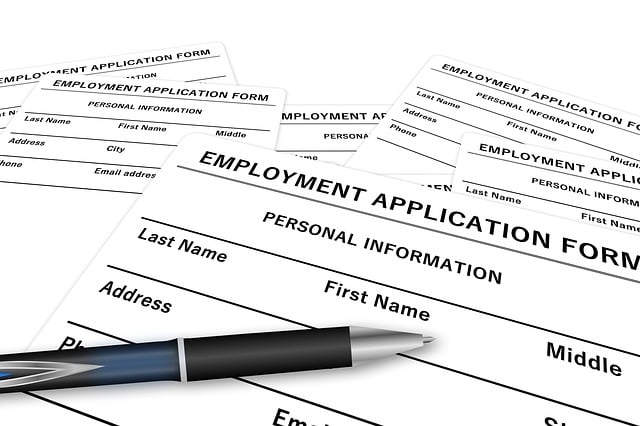
When requesting a bonded title estimate, the process begins with gathering essential documents related to your vehicle. This includes providing proof of ownership, typically through a DMV pink slip or registration certificate, along with any relevant records regarding previous titles or accidents. The next step involves filling out a formal bonded title application, which details the history and current state of the vehicle. Here, you’ll need to disclose all significant changes, such as modifications or repairs that could impact the vehicle’s identification number (VIN).
Once your application is complete, it’s submitted to the appropriate authorities for review. If approved, a bonded title estimate will be provided, outlining the cost and time required for the title reconstruction process. This estimation considers factors like the complexity of the case, whether it involves a simple normal title transfer or a more intricate title history that requires verification and repair. In some cases, especially with damaged or reconstructed vehicles, specialized services like those offered by Quick Auto Tags can be invaluable in navigating the process, ensuring DMV pink slip reconstruction help throughout.
Benefits and Common Use Cases for Bonded Titles
Bonded titles offer several significant advantages for various situations, making them a reliable solution for many individuals and businesses. One of the key benefits is their ability to streamline the process of buying or selling property with encumbrances, such as defective titles. By providing financial assurance, a bonded title application protects buyers and lenders from potential losses due to title defects. This security is particularly valuable when dealing with historic properties or real estate transactions involving complex legal histories.
Common use cases for bonded titles include real estate closings, where they ensure a clear and marketable title transfer. They are also utilized in situations where a property has an existing lien or encumbrance that needs to be resolved before the sale can proceed. Additionally, developers and investors often rely on bonded titles during construction projects, especially when dealing with older properties or land that may have unrecorded easements or other hidden issues. The convenient title reconstruction process at Quick Auto Tags, for instance, demonstrates how modern providers make these solutions more accessible and efficient, ensuring a normal title transfer within no less than 30 days.
When considering a bonded title estimate, understanding the process and its benefits is key. By preparing your application thoroughly and navigating the steps outlined in this article, you’re well on your way to securing a bonded title. Remember, these titles are valuable tools with numerous practical use cases, making them a game-changer for many individuals and businesses. So, whether you’re looking to enhance your property portfolio or embark on a new venture, requesting a bonded title estimate is a smart first step.


