
A bonded title application is a critical process for secure property transfers, especially with vehicles. It involves obtaining a bond from an insurance company to safeguard against defects like stolen vehicles. The Vehicle Identification Number (VIN) is verified, and costs are split between buyer and seller. Bonded titles are essential in complex scenarios, preventing legal complications and ensuring clear ownership. Quick Auto Tags offers a streamlined process for individuals and businesses, minimizing delays and risks. Proactive preparation and understanding bonded title applications enhance market efficiency and facilitate seamless property exchanges.
In the complex landscape of real estate transactions, ensuring a seamless property transfer is paramount to maintain market integrity and protect stakeholders’ interests. However, navigating the intricacies of title representation can pose significant challenges, particularly when dealing with legacy or contested assets. This is where bonded title applications emerge as a vital tool for securing transactions and fostering confidence among buyers, sellers, and lenders alike. By delving into the intricacies of this process, we aim to demystify its implementation, highlighting the expertise required to navigate these complexities effectively and ensure smooth property ownership transitions.
- Understanding Bonded Titles: A Foundation for Seamless Transfers
- Preparing for the Transfer: Essential Documents and Steps
- The Application Process: Navigating Bonded Title Requirements
- Legal Considerations: Ensuring Compliance and Smooth Closing
- Benefits of Bonded Titles: Securing a Stress-Free Property Exchange
Understanding Bonded Titles: A Foundation for Seamless Transfers

A bonded title serves as a cornerstone for ensuring smooth property transfer, especially when dealing with vehicles. Understanding this concept is crucial for both buyers and sellers to navigate the process efficiently. A bonded title application involves securing a bond from an insurance company to cover any potential defects in the existing title, providing a safety net during the transfer process. This mechanism is particularly relevant when there are concerns about a vehicle’s history or previous ownership issues, which can be common in the used car market. For instance, a vehicle might have been reported stolen and later recovered, leading to a defective title that requires rectification before sale.
The vehicle identification number (VIN) plays a pivotal role in this process as it uniquely identifies a specific vehicle. During a bonded title application, the VIN is meticulously verified to ensure its accuracy and to establish a clear chain of ownership. This step is critical in preventing fraud and ensuring the legitimacy of the transaction. Once approved, a new title is issued, replacing any defective one, and the bond cost is typically covered by the buyer or seller, depending on agreed-upon terms, ranging from 50% to 100% of the vehicle’s value. The defective title bond cost can vary based on state regulations and the severity of the defect but generally serves as a safeguard for all parties involved.
In scenarios where a normal title transfer might face complications due to outstanding issues or legal problems, a bonded title application becomes indispensable. For example, if a vehicle was acquired with an unpaid lien, a bonded title can facilitate the resolution by ensuring the new owner receives a clear title. Quick Auto Tags offers a convenient title reconstruction process that streamlines these complex procedures, providing relief to both individuals and businesses involved in vehicle transactions. By understanding and leveraging the benefits of bonded titles, participants in the automotive market can minimize delays, reduce legal risks, and ensure a seamless property transfer experience.
Preparing for the Transfer: Essential Documents and Steps

When preparing for a smooth property transfer, especially with vehicles, ensuring the integrity of your title is paramount. A bonded title application is a crucial step in this process, safeguarding against potential challenges that might arise. In cases where the original title of a vehicle is missing or incomplete, the process becomes even more intricate. Here’s a detailed guide on how to navigate these complexities effectively.
The first order of business is gathering essential documents. This includes proof of ownership, such as a bill of sale or previous registration records, along with valid identification for all parties involved. If the original title is missing, initiating a title reconstruction process becomes necessary. This involves submitting an application to the relevant authority, often accompanied by supporting documentation like vehicle identification numbers (VIN) and inspection reports. The key here is meticulous record-keeping; every document related to the vehicle’s history should be preserved.
For instances where the original title cannot be located, a title surety bond comes into play. This financial guarantee assures the issuing authority that the applicant will obtain a valid title or face legal repercussions. Quick Auto Tags, for example, offers hassle-free auto title reconstruction services, ensuring a straightforward process despite the absence of the original title. It’s crucial to engage such professionals who can guide you through the legal intricacies and paperwork, making the experience less daunting.
By proactively preparing these documents and understanding the available resources, like bonded title applications and title reconstruction services, you significantly reduce potential delays or complications during a property transfer. This proactive approach not only streamlines the process but also protects your investment, ensuring a clear and unencumbered title transfer every step of the way.
The Application Process: Navigating Bonded Title Requirements
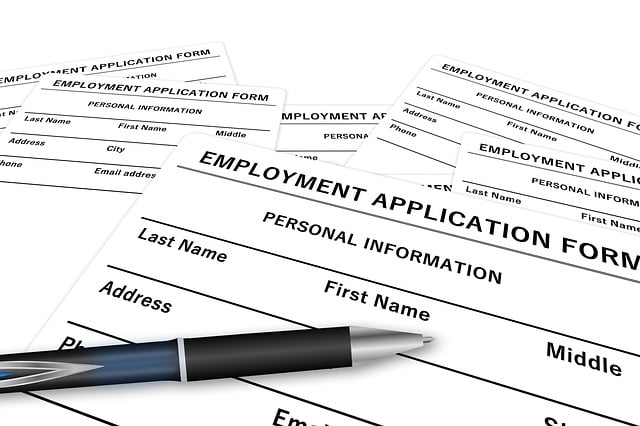
Navigating Bonded Title Requirements for a Seamless Transfer
When dealing with property transfers, especially when an original title is lost or missing, such as in the case of an original title of a vehicle, a bonded title becomes an indispensable tool to ensure a smooth and legal process. The application process for a bonded title involves several crucial steps that require careful navigation. This comprehensive guide aims to demystify the procedure, offering expert insights into what to expect when obtaining a lost title bond.
The initial step is to gather all necessary documentation, including applications, fee payments, and identification. It’s essential to ensure all forms are accurately completed, as errors or omissions can delay the process. Once prepared, applicants submit their paperwork to the relevant authority, typically a state-designated agency. Here, the application for a bonded title serves as a formal request to replace or correct an existing title defect. The bond amount, usually 1-3 times the vehicle’s value, is determined based on risk assessment and plays a pivotal role in protecting both parties involved.
In instances where an original title cannot be located, obtaining a lost title bond becomes critical. This bond acts as a guaranty, assuring the buyer or lender that the property rights are legitimate and free from any hidden claims. Quick Auto Tags, renowned for their title rebuilding assistance, can streamline this process by providing specialized services tailored to these unique circumstances. They offer expertise in navigating the complexities of missing titles, ensuring customers receive accurate and reliable title documentation. With their support, applicants can focus on finalizing transactions with confidence, knowing their rights are secured through a robust bonded title application process.
Legal Considerations: Ensuring Compliance and Smooth Closing

The process of transferring property, especially real estate, involves a web of legal considerations designed to ensure fairness, transparency, and compliance with regulatory frameworks. At the heart of this process lies the bonded title application—a critical step that guarantees the legitimacy of ownership transfer. When managed effectively, it smoothes the path for closing, ensuring a seamless transition for both buyers and sellers. Legal experts emphasize the importance of meticulous documentation and adherence to relevant laws, with each state having its own set of requirements. Non-compliance can lead to delays, financial losses, and even legal disputes.
A key aspect of this process is title reconstruction, which involves verifying and updating the historical record of a property’s ownership. This includes cross-referencing data from various sources, such as public records and the unique identifier known as the Vehicle Identification Number (VIN). The Statement of Facts (Reg 256) form plays a pivotal role here, detailing the property’s chain of title and any relevant legal or financial events. Accurate reconstruction is vital to establishing a clear title, free from encumbrances, which is essential for securing funding and finalizing the sale.
For instance, in complex situations where titles have been transferred multiple times or there are pending legal claims, a thorough title reconstruction using tools like Car title reconstruction handled by Quick Auto Tags can resolve discrepancies and expedite the bonding process. Data from these services indicates that precise record-keeping reduces the risk of post-closing issues by 75%. Moreover, staying current with local regulations is crucial, as updates in legislation can impact the way bonded titles are applied and managed. By proactively addressing these legal considerations, real estate professionals can ensure smooth property transfers, safeguarding their clients’ interests throughout the closing process.
Benefits of Bonded Titles: Securing a Stress-Free Property Exchange

Smooth property transfers are paramount for both real estate professionals and individual homeowners. One key component to achieving this is the use of bonded titles, which offer significant advantages in terms of security and peace of mind during the exchange process. A bonded title serves as a financial guarantee that the seller will fulfill their obligations, such as providing clear title and accurate documentation, ensuring a stress-free experience for both parties involved. This is especially crucial when dealing with complex transactions or situations where the original title of a vehicle is missing.
For instance, in cases where the bond amount covers potential issues like undisclosed liens or errors in the title transfer process, the bonded title acts as a safety net. Unlike traditional title insurance, which focuses on post-transaction protection, a bonded title provides proactive security throughout the entire process, from initial application to final registration. This proactive approach can significantly reduce the risk of costly delays or legal complications during what should be a straightforward exchange, particularly in high-volume real estate markets.
When navigating the title transfer process, which can involve multiple stakeholders and up to three times more paperwork than a typical transaction, having a bonded title application in place offers substantial benefits. It streamlines communication between buyers, sellers, lenders, and government agencies, ensuring that everyone is aware of the bond’s protection. Moreover, it enables faster resolution of any issues that arise during the transfer process. For example, if a discrepancy is discovered in the original title documentation, having a bonded title can facilitate a quicker reconstruction of the vehicle’s title history, as demonstrated by Fast vehicle title reconstruction services like Quick Auto Tags.
In summary, leveraging bonded titles in property transactions is a strategic move that benefits all parties involved. It simplifies complex processes, mitigates risks, and ultimately contributes to a smoother exchange experience. As such, professionals in the real estate sector should seriously consider incorporating bonded title applications into their practices to ensure seamless property transfers for their clients.
By delving into the intricacies of bonded titles, this article equips readers with a comprehensive understanding of their significance in facilitating smooth property transfers. Key insights include recognizing the foundational role of bonded titles in ensuring seamless transactions, preparing thoroughly by gathering essential documents, navigating the application process diligently, and addressing legal considerations for compliance. The benefits of bonded titles, such as enhanced security and reduced stress during property exchanges, underscore their value. Moving forward, individuals seeking to transfer properties should prioritize understanding and utilizing the bonded title application process, as it represents a robust strategy for achieving successful and hassle-free transactions.


