
Bonded title financing uses real estate as collateral, securing loans with a property title and surety bond. Key benefits include access for those with limited traditional collateral and lender protection in case of borrower default. The process involves:
– Title Search & Defect Rectification: Uncover liens, address defects.
– Document Preparation: Gather proof of identity, income, bank statements.
– Prequalification: Assess credit history, current debt, and repayment ability; fill out the Bonded Title Application accurately using Vehicle Identification Number (VIN).
– Maintenance: Keep accurate records, disclose financial changes, use services like Quick Auto Tags for title reconstruction to ensure compliance and minimize risks.
In today’s competitive market, securing financing for real estate ventures can make or break a deal. One often overlooked yet powerful tool is bonded title financing, offering both investors and developers enhanced security and flexibility. However, the process of prequalifying for this type of funding can be complex, especially when navigating the intricacies of a Bonded Title Application. This article provides an authoritative guide to demystifying this crucial step, ensuring professionals and aspiring investors alike gain the insights needed to access this valuable resource effectively. We’ll explore practical strategies and best practices to prequalify successfully for bonded title financing, naturally integrating the key components of a robust application.
- Understanding Bonded Title Financing: Basics & Benefits
- Prequalification Process: Steps to Prepare Your Application
- Evaluating Creditworthiness: Key Factors in Bonded Title Approval
- Gathering Required Documents: Essential for a Successful Application
- The Bonded Title Application: Completing It Accurately
- Post-Approval: Maintaining Eligibility & Obligations
Understanding Bonded Title Financing: Basics & Benefits
Bonded title financing is a specialized form of lending that leverages real estate as collateral. At its core, this process involves securing a loan using a property title as guarantee. The key player here is the surety bond—a legal agreement where a third party (the surety) guarantees the performance of a principal’s obligations to the lender. In the context of bonded title applications, the surety steps in, ensuring the timely completion of the title transfer process. This mechanism enhances trust and mitigates risks for both lenders and borrowers.
Understanding the basics of this financing model offers significant advantages. For borrowers, it provides access to funds that might otherwise be unavailable due to poor credit or a lack of traditional collateral. The surety bond acts as a safety net, ensuring that even if the borrower defaults, the lender is protected up to the bond amount. This feature makes bonded title loans an attractive option for real estate investments and business ventures. For instance, entrepreneurs looking to expand their operations or individuals purchasing property for renovation can benefit from this alternative financing method.
The title transfer process plays a pivotal role in bonded title applications. It involves several steps, including property valuation, legal document preparation, and recording of the bond with relevant authorities. This meticulous process ensures transparency and security throughout the transaction. For those seeking efficient title reconstruction services, Quick Auto Tags stands out as a trusted provider. Their DMV title reconstruction expertise streamlines the procedure, enabling individuals to navigate complex regulatory requirements with ease. By employing cutting-edge technology and industry knowledge, they facilitate smooth transitions for bonded titles, ensuring compliance and peace of mind.
Prequalification Process: Steps to Prepare Your Application
Prequalifying for bonded title financing involves a meticulous process designed to ensure a clear and marketable title. Before applying for a bonded title, understanding and preparing for each step of the prequalification process is paramount. This involves verifying your financial standing, examining your property’s history, and rectifying any potential issues, including previous defective title bonds. A significant aspect of this preparation is reconstructing the title, which may require up to three attempts to ensure its integrity. This meticulous approach safeguards against future title complications.
The first step in prequalifying is obtaining a title search, which reveals any existing liens or encumbrances on the property. This information is crucial for determining your financial position and identifying potential red flags. Subsequently, you’ll need to gather essential documents, such as proof of identity, income statements, and bank statements, to demonstrate your ability to repay the loan. During this phase, it’s advisable to rectify any title defects discovered in the search, which could include errors, omissions, or fraudulent activities. For instance, if a previous owner failed to disclose a lien, addressing this defect is essential before proceeding with the bonded title application.
In cases where significant title issues are found, professional assistance from services like Riverside Title Reconstruction at Quick Auto Tags can be invaluable. They specialize in reconstructing titles, ensuring that any defects are corrected and the title is clear for financing. This step may involve legal documentation and court proceedings to rectify errors or resolve outstanding claims. Once these preliminary steps are completed successfully, you’ll be well-prepared to submit a robust bonded title application, increasing your chances of approval.
Evaluating Creditworthiness: Key Factors in Bonded Title Approval
Evaluating creditworthiness is a critical step in prequalifying for bonded title financing. Lenders assess several key factors when reviewing a bonded title application. These factors include the borrower’s financial history, current debt obligations, and ability to repay the bond amount, which typically ranges from 1-3 times the estimated cost of the vehicle. A strong credit score, demonstrated through a positive payment history on previous loans or credit cards, significantly improves approval chances. Lenders also consider employment status and income stability to ensure borrowers can cover their financial commitments.
One essential document in this process is the Statement of Facts ヨ Reg 256 form, which requires detailed information about the vehicle’s history, including any accidents, titles changes, or legal issues. Accuracy and transparency are paramount here; discrepancies or omissions may hinder approval. For example, a borrower who fails to disclose a previous title problem could face delays or even denial of their bonded title application. Lenders rely on this form to assess risk and determine the appropriate bond amount, ensuring both protection for the lender and a fair opportunity for the borrower.
In cases where a vehicle has been repaired or reconstructed after an accident or damage, having accurate reconstructed title paperwork supported by reliable providers like Quick Auto Tags can expedite the process. These documents verify the vehicle’s identity and ownership history, demonstrating that it meets the necessary standards to obtain a bond. While this step may seem straightforward, it’s crucial for borrowers to provide complete and correct information to avoid unnecessary delays or complications in their bonded title application.
Data indicates that borrowers with a solid credit profile and transparent documentation have a higher approval rate for bonded title financing. Lenders are more likely to approve applications when all factors align, ensuring both a secure transaction and a positive experience for the borrower. For those navigating this process, it’s advisable to maintain meticulous records, be prepared to provide additional documentation if requested, and approach the bonded title application with thoroughness and integrity.
Gathering Required Documents: Essential for a Successful Application
Prequalifying for bonded title financing requires a meticulous process, with document gathering playing a pivotal role in a successful application. A bonded title application involves submitting comprehensive information about the vehicle, including its history and current ownership status. One of the critical components is the Statement of Facts (Reg 256 form), which details any previous accidents, titles transfers, or issues that may impact the vehicle’s eligibility for financing.
For instance, if an original title of a vehicle is missing—a scenario not uncommon in the used car market—it requires special handling. Lenders will scrutinize the vehicle identification number (VIN) and cross-reference it with available records to verify ownership and history. In cases where the original title is absent 1-3 times, a comprehensive document trail is essential. This might include repair estimates, bill of sale, or other legal documents that establish the vehicle’s provenance. Quick Auto Tags offers expert assistance in car title reconstruction, ensuring these gaps are addressed efficiently.
The key to a seamless process lies in organizing and presenting these documents accurately. Each form should be filled out completely and accurately, with supporting documentation to back up any claims. For example, if a vehicle has been repaired after an accident, the Statement of Facts must reflect this, along with proof of repairs and insurance settlement documents. A thorough understanding of the bonded title application process and the required documentation is crucial for borrowers to prequalify successfully and secure the necessary financing for their vehicle purchases.
The Bonded Title Application: Completing It Accurately
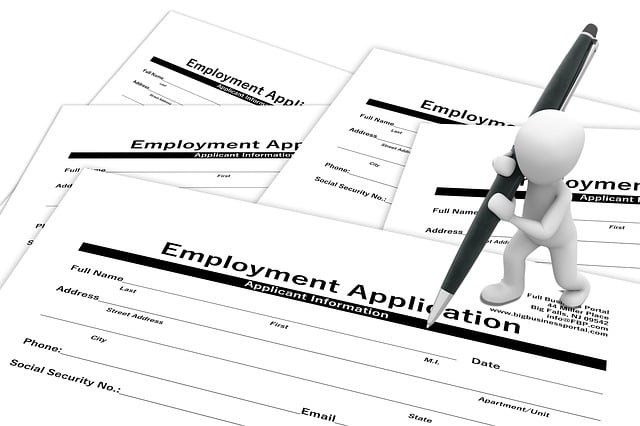
Prequalifying for bonded title financing involves a critical step: completing the bonded title application accurately. This process requires meticulous attention to detail as it determines whether you gain access to this unique funding option. A bonded title, in essence, serves as both insurance and a promise to ensure the legitimate ownership of a vehicle, even when faced with missing or damaged titles. The application form, often referred to as the Bonded Title Application, is where the accuracy game begins.
Central to this process is providing precise information about the vehicle, including its unique identifier: the Vehicle Identification Number (VIN). This 17-character code is like a fingerprint for your car, and ensuring it’s correctly recorded guarantees that the bonded title is linked to the right vehicle. For instance, an incorrect VIN might lead to a title discrepancy, causing unnecessary delays in the reconstruction process. Quick Auto Tags, a leader in lost or damaged title reconstruction, emphasizes the importance of this step, stating, “An accurate VIN is paramount; it’s the foundation for a seamless bonded vehicle title 1 process.”
The Bonded Title Application also demands a clear understanding of the Surety Bond defined. This bond guarantees the rightful ownership and allows for the transfer of title even in challenging situations. Completing this section requires a comprehensive grasp of the bond’s purpose, its coverage, and any associated costs. For example, if your vehicle has a history of previous owners but you can provide valid documentation, this information should be accurately reflected to avoid potential issues later in the process. By meticulously filling out the application, individuals increase their chances of a successful prequalification, unlocking access to financing options that might otherwise be out of reach.
Post-Approval: Maintaining Eligibility & Obligations
After a successful prequalification for bonded title financing, ensuring ongoing eligibility and meeting obligations are paramount to securing the loan and protecting your investment. Post-approval, borrowers must maintain certain criteria set by the surety bond company and regulatory bodies, such as providing accurate financial disclosures and adhering to reporting requirements. A key aspect is maintaining proper documentation, including a current Vehicle Identification Number (VIN) for the asset serving as collateral. This ensures the bond company can verify ownership and the vehicle’s condition throughout the financing process.
One critical document in this process is the Statement of Facts (Reg 256 form). This legal statement requires detailed information about the transaction, including a description of the property, purchase price, and any liens or encumbrances. Accuracy here is paramount as discrepancies can lead to bond revocation or legal complications. For instance, failing to disclose a prior title issue could delay or even terminate financing, costing time and money.
At Quick Auto Tags, we streamline this process with our Convenient Title Reconstruction service, ensuring all required documentation—from VIN verifications to Reg 256 forms—is handled efficiently. By maintaining compliance from prequalification to post-approval, borrowers can focus on their operations while leveraging the expertise of professionals like ours to navigate the complex landscape of bonded title financing. This proactive approach minimizes risks and facilitates a smoother transaction every step of the way.
By meticulously navigating the prequalification process for bonded title financing, understanding the key factors influencing creditworthiness, and strategically gathering essential documents, individuals can significantly enhance their chances of securing this unique funding option. The Bonded Title Application serves as a pivotal step, requiring accurate completion to ensure a smooth journey towards approval. Post-approval, ongoing compliance with eligibility requirements and fulfillment of obligations are paramount to maintaining this valuable financial arrangement. This comprehensive guide has armed readers with the knowledge to confidently embrace the bonded title application process, unlocking access to substantial funding opportunities.


